
Creatives
Inspired by the life in the Nilgiri Hills of Southern India, where wild elephants are recognised by their distinct personalities, habits and histories, creative director, Ruth Ganesh and conservation researcher, Dr Tarsh Thekaekara came together in 2015 to envision The Great Elephant Migration.
Their partnership grew into a collaboration with The Real Elephant Collective, a community of skilled indigenous artisans who recreate every curve and gesture of the wild herds they live alongside.
By fusing worlds, the project brings 100-strong herds of elephants across continents, sharing their story with the world.

Chief Elephant designer: Shubhra Nayer
Every sculpture begins with a real elephant
Before they travelled across America; appeared on city streets, in museums and public parks, the herd roamed the forests, grasslands and tea-covered hills of the Nilgiri Hills in southern India.
Here, more than a quarter of a million people share space with the largest remaining population of Asian elephants, alongside tigers, leopards, gaur, langurs and a myriad of species.
As elephants move between forests, farms, villages and towns their movements are anticipated, discussed and respected. For the Indigenous Peoples of the Nilgiris, this relationship stretches back generations and is a living example of coexistence.

The Real Elephant Collective
What began in a roofless workshop in the corner of a coffee plantation has grown into a leading Indigenous-led enterprise model and a global platform for coexistence.
Shaped by stories, traditions and belief systems rooted in centuries of living alongside wildlife, the collective imbues deep cultural knowledge into every stage of the making process.
Each elephant is crafted by artisans from the Bettakurumba, Paniya, Kattunayakan and Soliga communities of the Nilgiri Biosphere Reserve, carrying with it a story of coexistence, art and enterprise — of people and planet moving forwards together, one handcrafted elephant at a time.
The Kattunayakan people live across 44 settlements in the two districts of the Nilgiri Hills. As the most forest‑dependent of the region’s communities - reflected in their name, Kattu (forest) Nayakan (rulers).
The Kattunayakan have long practised hunting‑and‑gathering traditions and are renowned for exceptional honey‑collecting skills. Their deep knowledge of forest systems and resources remains central to their cultural identity.
The Bettakurumba are one of seven Kurumba groups in the Nilgiri region. Traditionally hunter‑gatherers, the community is also renowned for exceptional elephant‑handling skills, with many members working as mahouts.
The Paniyas are the largest community in the region. A long history of marginalisation has shaped their experience, and the group has traditionally been closely connected to agricultural work, often employed as labourers on farms and plantations.
The Soligas have a deep, enduring connection to the forest, which remains central to their cultural and spiritual identity. For many households, the sale of foraged forest produce also provides an important source of livelihood.

The Nilgiri Hills
The highest density of human-elephant overlap on the planet

Where more than a quarter of a million people share space with the largest remaining population of Asian elephants, alongside tigers, leopards and countless other species.

Shubhra Nayer: Chief elephant designer

Lantana Camara: one of the world's top invasive plants is transformed from environmental threat into economic opportunity.

Every elephant carries the fingerprints of its makers.
Our Logo
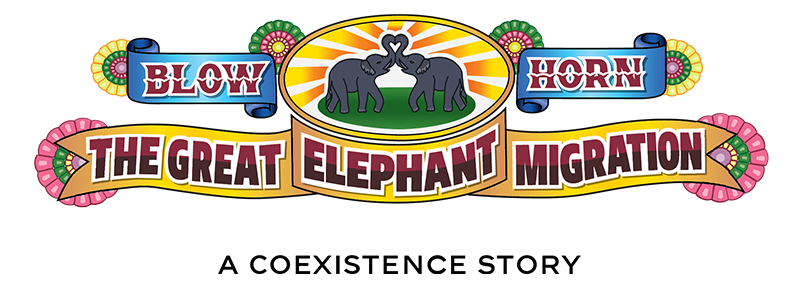
Created by celebrated Indian truck artists, from Tamil Nadu, the logo and motifs follow the vibrant tradition of lorry painting, a folk art that combines bold color, ornate patterns and good natured instructions that have become iconic on Indian roads.
